In today’s fast-evolving digital landscape, cybersecurity is no longer a concern limited to large corporations. Small businesses are increasingly becoming prime targets for cybercriminals due to perceived vulnerabilities and lack of advanced defenses. Understanding the biggest cybersecurity threats in 2025 can help small business owners prepare, protect, and prevent catastrophic data breaches or financial losses. This is especially relevant for local businesses seeking trusted cybersecurity in El Paso, TX.
Why Small Businesses Are at Risk
Contrary to popular belief, small businesses are often more vulnerable than large enterprises. Limited budgets, lack of IT staff, and outdated security measures make them ideal targets for cybercriminals. Additionally, many small businesses handle sensitive data such as customer payment information, personal identifiers, or proprietary documents, which can be highly valuable on the dark web.
Moreover, remote work trends have increased the attack surface. With employees accessing business systems from home networks, the chances of encountering a cybersecurity breach have grown significantly. Small businesses without a formal cybersecurity policy are especially at risk of falling victim to these evolving threats.
1. Ransomware Attacks
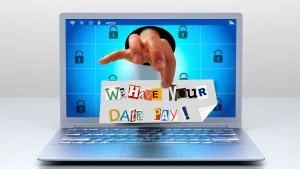
One of the most alarming threats of 2025 is ransomware. This malicious software encrypts a victim’s data and demands payment in exchange for the decryption key. What makes ransomware particularly dangerous is its ability to completely shut down business operations. Attackers often demand payment in cryptocurrency, making the trail hard to trace.
Ransomware can spread through infected email attachments, malicious websites, or network vulnerabilities. Some sophisticated attacks target backups as well, rendering recovery more difficult.
Prevention Tips:
- Regularly back up all data offsite
- Use advanced endpoint protection
- Educate employees on suspicious links and emails
- Test backup recovery procedures routinely
2. Phishing Scams
Phishing remains a dominant threat, especially as attackers use more convincing tactics. Cybercriminals pose as legitimate institutions or colleagues, tricking employees into clicking malicious links or giving away credentials.
Advanced phishing techniques now include spear-phishing, which targets specific individuals using personalized information. Business email compromise (BEC) is also a growing concern, where attackers impersonate executives to authorize fraudulent transactions.
Prevention Tips:
- Implement multi-factor authentication (MFA)
- Train staff to recognize phishing emails
- Use email filtering and threat detection tools
- Verify financial requests through secondary communication methods
3. Insider Threats
Not all threats come from outside. Insider threats(whether intentional or accidental) pose a growing danger. Employees may leak data, fall for scams, or install unsafe software, compromising systems unknowingly.
Contractors, temporary workers, or disgruntled former employees may also pose risks. Insiders have knowledge of internal systems, making them especially dangerous if security protocols are weak.
Prevention Tips:
- Control access to sensitive data
- Monitor user behavior and activity logs
- Conduct regular internal audits
- Revoke access immediately upon termination
4. Malware and Spyware
Malware encompasses a range of malicious programs, including spyware, which secretly collects data from infected systems. These programs can steal login credentials, monitor financial transactions, and send sensitive files to external servers.
Advanced forms of malware like trojans and keyloggers can remain undetected for long periods, gathering data over time. Drive-by downloads (malware installed without consent when visiting a compromised website) are also on the rise.
Prevention Tips:
- Keep all software updated
- Install reputable antivirus software
- Educate employees about downloading unverified applications
- Restrict administrative privileges
5. Credential Stuffing and Password Attacks
With data leaks becoming more common, attackers use stolen credentials to try logging into various systems—this is known as credential stuffing. Weak or reused passwords increase vulnerability to these attacks.
In addition to credential stuffing, brute-force attacks (where attackers attempt countless password combinations) are a persistent risk.
Prevention Tips:
- Require strong, unique passwords
- Use password managers
- Implement MFA across all platforms
- Monitor for unusual login activity
6. Zero-Day Exploits
Zero-day exploits target undiscovered vulnerabilities in software before developers release a patch. These attacks are extremely difficult to defend against due to their unpredictability.
Small businesses that delay software updates are especially vulnerable. Cybercriminals often share or sell these exploits in underground forums before vendors even become aware of the flaw.
Prevention Tips:
- Enable automatic updates for all systems
- Invest in real-time threat intelligence tools
- Partner with a professional cybersecurity service provider
- Conduct regular penetration testing
7. Social Engineering Attacks
These attacks manipulate human behavior rather than system weaknesses. From phone calls pretending to be tech support to manipulated invoices, social engineering can bypass even the strongest firewalls if staff aren’t prepared.
Smishing (SMS-based scams) and vishing (voice-based scams) are forms of social engineering becoming increasingly prevalent, particularly among small business teams lacking security training.
Prevention Tips:
- Foster a culture of skepticism and security
- Conduct regular simulated attack tests
- Establish clear verification processes for financial transactions
- Maintain strong internal communication policies
How Local Businesses Can Respond
If you run a business and are looking for reliable cybersecurity in El Paso, TX, taking proactive steps is essential. Prevention is far more cost-effective than dealing with a data breach or system compromise.
Working with a professional cybersecurity team like Sentry allows small businesses to:
- Conduct in-depth vulnerability assessments
- Receive 24/7 monitoring and real-time threat response
- Create tailored security policies
- Educate staff through ongoing training programs
Sentry also helps businesses comply with industry standards and regulatory requirements such as HIPAA, PCI-DSS, and GDPR—essential for businesses handling sensitive customer data.

The Cost of Inaction
Ignoring cybersecurity doesn’t just put data at risk—it threatens your reputation, financial stability, and legal standing. The average cost of a data breach for small businesses is increasing yearly, and some never recover. Clients and customers expect businesses to protect their information; failure to do so can lead to lost trust and decreased revenue.
Beyond financial losses, businesses may face legal penalties, public backlash, and even business closure. Investing in cybersecurity is not optional—it’s a fundamental business necessity.
Final Thoughts
As cyberthreats become more sophisticated in 2025, small businesses must prioritize cybersecurity like never before. From ransomware and phishing to zero-day exploits, the range of threats is broad—but not unbeatable. With the right tools, training, and partnerships, your business can operate confidently in the digital age.
If you’re looking for expert cybersecurity in El Paso, TX, trust Sentry to protect your systems, data, and reputation. Our experienced team specializes in building custom defense strategies tailored to your business needs.